
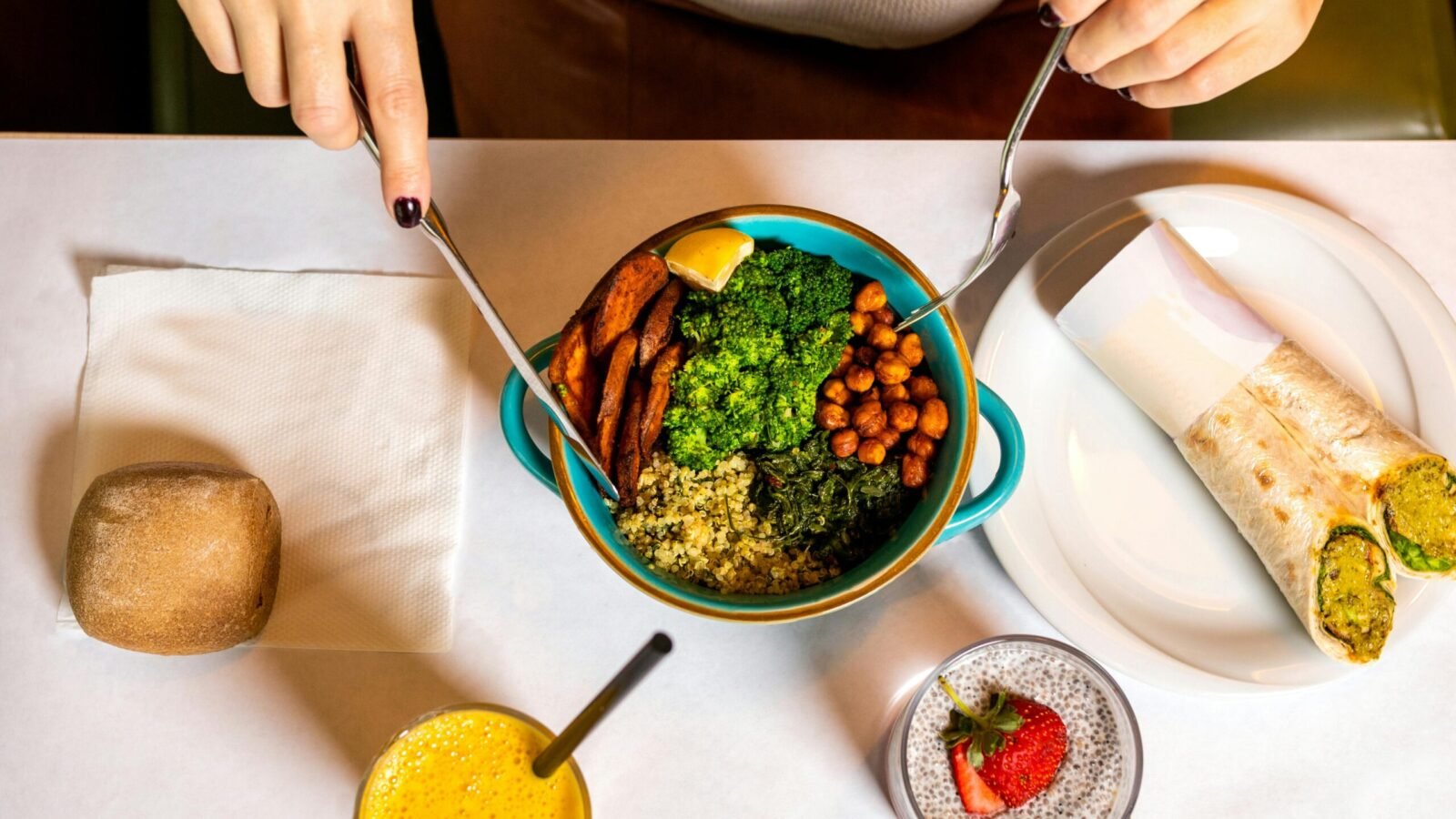
In recent years, plant-based diets have exploded in popularity — whether for health, ethics, the environment, or performance. One of the most common questions people still ask is: “Where do you get your protein?” The answer is simple: plants offer abundant, high-quality protein, often with added fiber, antioxidants, and zero cholesterol.
This science-backed guide lists the best plant-based protein sources in 2025, complete with exact protein numbers per serving, amino acid profiles, bioavailability tips, and easy ways to incorporate them into your daily meals.
Why Plant-Based Protein Is a Smart Choice
- Lower risk of heart disease (American Heart Association, 2023 meta-analysis)
- Better gut health thanks to prebiotic fiber
- Reduced inflammation (many sources are rich in omega-3s and polyphenols)
- Lower carbon footprint (up to 90% less greenhouse gas than beef)
- Often more affordable long-term
Complete vs. Incomplete Proteins — The Truth
Only a handful of plant foods (quinoa, soy, buckwheat, amaranth, hemp seeds, and nutritional yeast) are “complete” (contain all nine essential amino acids in adequate amounts). However, as long as you eat a variety of foods throughout the day, your body pools amino acids perfectly fine — no need to combine rice and beans in the same meal.
Top 20 Plant-Based Protein Sources (Ranked by Protein Density)
| Rank | Food (100 g cooked/edible portion) | Protein (g) | Notable Benefits & Notes |
|---|---|---|---|
| 1 | Seitan (vital wheat gluten) | 75 g | Highest protein density; meat-like texture |
| 2 | Nutritional yeast | 50 g | B12-fortified brands available |
| 3 | Soy flour (defatted) | 47 g | Great for baking |
| 4 | Hemp seeds | 31.6 g | Complete protein + omega-3s |
| 5 | Dried spirulina | 57 g | Also rich in iron and antioxidants |
| 6 | Peanuts / Peanut butter | 25–28 g | Affordable and calorie-dense |
| 7 | Pumpkin seeds (pepitas) | 30 g | High in magnesium and zinc |
| 8 | Tempeh | 20–21 g | Fermented = better digestibility |
| 9 | Tofu (firm) | 17–20 g | Calcium-set varieties boost bone health |
| 10 | Edamame (young soybeans) | 18 g | Complete protein + isoflavones |
| 11 | Lentils (cooked) | 9 g / 100 g (18 g per cup) | Cheap, fiber-packed |
| 12 | Black beans (cooked) | 8.9 g / 100 g (15 g per cup) | Anthocyanins for heart health |
| 13 | Chickpeas (cooked) | 8.8 g / 100 g (15 g per cup) | Versatile (hummus, curries, roasting) |
| 14 | Quinoa (cooked) | 4.4 g / 100 g (8 g per cup) | Complete protein + magnesium |
| 15 | Chia seeds | 17 g | Omega-3 ALA + thickens smoothies |
| 16 | Almonds | 21 g | Vitamin E powerhouse |
| 17 | Oats (dry) | 13–17 g | Beta-glucan lowers cholesterol |
| 18 | Pistachios | 20 g | Highest antioxidant nuts |
| 19 | Mycoprotein (Quorn) | 14–16 g | Mushroom-derived, meat-like texture |
| 20 | Lupini beans (cooked) | 16 g | Emerging superfood in Europe & US |
Highest-Protein Plant-Based Foods for Muscle Building (Per 300 kcal)
If you’re an athlete or bodybuilder, these give you the most protein per calorie:
- Seitan → 100 g protein
- Extra-firm tofu → 43 g
- Tempeh → 41 g
- Edamame → 37 g
- Lentils → 28 g
- Hemp seeds → 27 g
How Much Protein Do You Actually Need?
- Sedentary adults: 0.8 g/kg body weight
- Strength athletes: 1.6–2.2 g/kg
- Plant-based eaters often do well at the higher end because digestibility is slightly lower (85–95% vs. 95–100% for animal protein).
Example: A 70 kg (154 lb) active person aiming for 2.0 g/kg needs ≈140 g protein/day — easily achievable with plants.
Easy High-Protein Plant-Based Meal Ideas
Breakfast
→ Overnight oats with soy milk, chia seeds, hemp seeds, peanut butter (40–50 g)
Lunch
→ Buddha bowl: quinoa, black beans, roasted chickpeas, tofu, tahini dressing (45–55 g)
Dinner
→ Seitan stir-fry or lentil dal with brown rice and spinach (50–60 g)
Snacks
→ Greek-style soy yogurt + berries, roasted edamame, protein shake with pea + rice protein blend (20–35 g)
Supplements Worth Considering in 2025
- Pea protein isolate (22–25 g/scoop)
- Rice protein
- Pumpkin seed protein
- Blends (pea + rice = complete profile)
- Soy protein isolate (highest PDCAAS score among plants)
Common Myths Debunked
❌ Myth: Plant protein is inferior
✅ Fact: Meta-analyses (2021–2024) show equivalent muscle gains when total protein intake is matched.
❌ Myth: You must combine proteins at every meal
✅ Fact: Daily variety is sufficient.
❌ Myth: Soy causes hormonal issues in men
✅ Fact: Moderate consumption (1–2 servings/day) has no effect on testosterone or estrogen in men (2023 systematic review).
Final Takeaway
You don’t need animal products to hit 100, 150, or even 200+ grams of high-quality protein per day. With the incredible variety of legumes, grains, nuts, seeds, and modern meat alternatives available in 2025, going (or staying) plant-based has never been easier — or more delicious.
Save this guide, share it with skeptical friends, and start experimenting with a few new protein sources this week. Your body (and the planet) will thank you.
Which plant-based protein source are you adding to your grocery list today? Drop it in the comments! 🌱💪